Homeowners seeking a durable, low‑maintenance exterior finish that also adds curb‑appeal often turn to Hardie Plank siding, a fiber‑cement product celebrated for its weather‑resistant cladding and realistic wood‑grain texture. In 2026, the combination of improved manufacturing processes and stricter energy‑efficiency standards makes Hardie Plank a top choice for both new construction and major remodels.
Why Hardie Plank Siding Stands Out in 2026
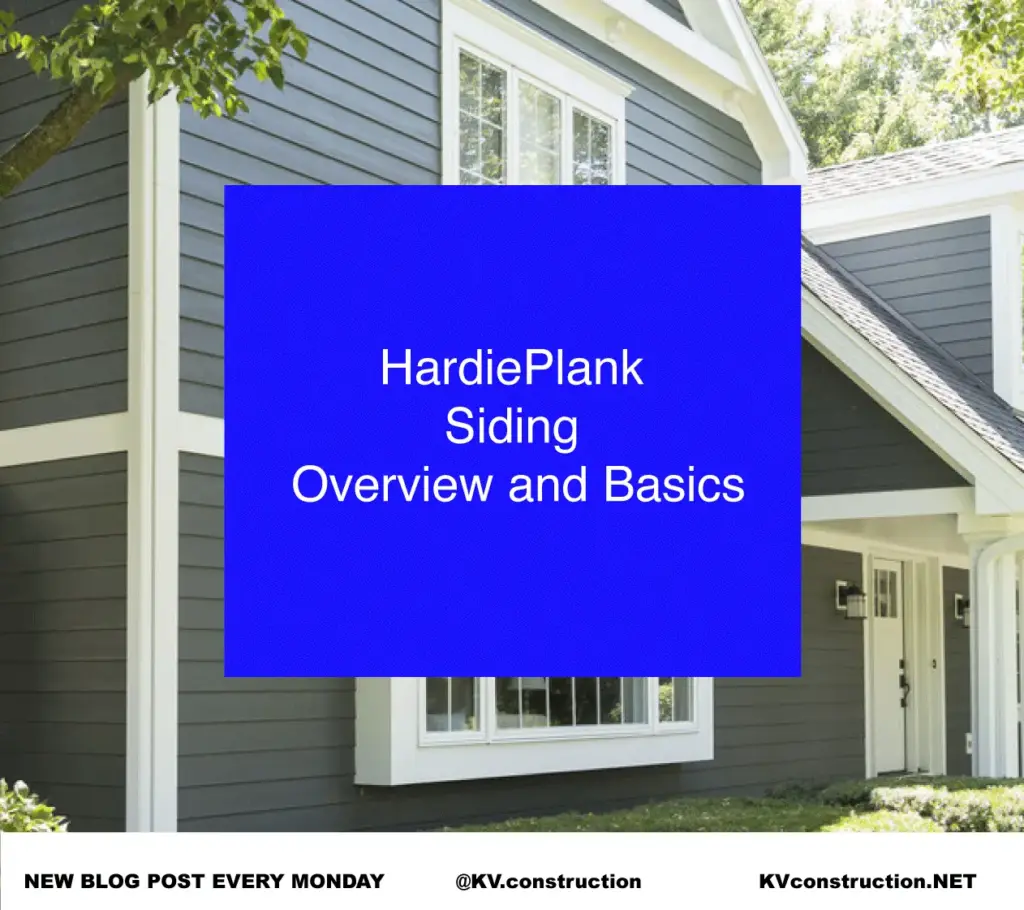
Hardie Plank’s reputation rests on three core advantages: durability, design flexibility, and environmental performance. Unlike traditional wood, the product resists rot, termites, and UV degradation, thanks to its proprietary blend of sand, cement, and cellulose fibers. According to a 2025 report from the American Society of Civil Engineers (ASCE), fiber‑cement siding—of which Hardie Plank is a leader—has a median lifespan of 50 years, far exceeding the 20‑30 year range typical of vinyl.
Design flexibility is another selling point. Hardie Plank comes in a broad palette of finishes, from smooth “smooth lap” to the more rustic “shiplap” profile, allowing homeowners to achieve the look of natural wood without the upkeep. Moreover, the product’s “ColorPlus® Technology” integrates pigments directly into the material, ensuring that color fade is less than 5 % after a decade of exposure, per a 2025 study by the Home Builders Institute.
Cost Considerations: Initial Investment vs. Long‑Term Savings
The upfront cost of Hardie Plank is higher than vinyl siding, typically ranging from $8 to $12 per square foot installed, according to the 2026 Remodeling Cost Survey by the National Association of Home Builders (NAHB). However, when factoring in lifecycle costs—maintenance, replacement, and energy savings—the product becomes financially competitive.
Energy efficiency is a significant factor. The dense composition of fiber cement provides better thermal mass than lightweight vinyl, helping to stabilize indoor temperatures. The U.S. Department of Energy’s 2025 Energy Star analysis shows that homes with Hardie Plank can see up to a 7 % reduction in heating and cooling bills compared to comparable homes with standard vinyl cladding.
Comparing to Other Siding Options
- Vinyl Siding: Lower initial cost ($3‑$6 per sq ft) but higher long‑term maintenance; color fades faster and cracks in extreme cold.
- Engineered Wood: Similar appearance to real wood; however, susceptibility to moisture can lead to rot within 10‑15 years if not properly sealed.
- Stucco: Excellent durability but requires skilled labor and is prone to cracking in seismic zones.
For a deeper dive into the financial side of alternative claddings, see our Vinyl Siding 2026 Guide: Costs, Installation, and Future Trends for Homeowners, which benchmarks pricing and performance across the market.
Installation Insights: What Homeowners Should Expect
Installing Hardie Plank isn’t a DIY weekend project for most homeowners. The material’s weight (about 120 lb per 4 × 8 ft panel) demands proper handling and specialized tools, such as a fiber‑cement scoring blade and a heavy‑duty nail gun. Professional installers typically follow a three‑step process:
- Preparation: Remove existing siding, repair underlying sheathing, and install a moisture‑resist barrier (e.g., Tyvek®). Proper flashing around windows and doors is critical to prevent water infiltration.
- Panel Installation: Panels are staggered using a 1‑in. offset to create a natural look. Fasteners are placed at 12‑inch intervals, with the recommended corrosion‑resistant stainless‑steel nails.
- Finishing: Joints are sealed with a high‑performance silicone sealant, and any necessary paint touch‑ups are applied using a masonry‑grade acrylic coating.
Our James Hardie Siding Review 2026: Cost, Installation, and Future Trends for Homeowners provides a detailed cost breakdown, including labor rates by region, which helps homeowners budget more accurately.
Common Mistakes and How to Avoid Them
Even seasoned contractors can slip up. Below are frequent pitfalls and corrective strategies:
1. Skipping the Moisture Barrier
Hardie Plank is water‑resistant, not waterproof. Without a proper WRB (Weather‑Resistive Barrier), moisture can seep behind the panels, leading to mold growth. Install a high‑quality house wrap and ensure all seams overlap by at least 6 in.
2. Over‑driving Fasteners
Driving nails too deep can crush the panel’s fibers, causing cracking over time. Follow the manufacturer’s recommendation of a 1/16‑in. head protrusion.
3. Ignoring Expansion Gaps
Fiber‑cement expands and contracts with temperature changes. Failing to leave a 1/8‑in. gap at the edges can result in buckling. Use proper spacers during installation.
Real‑World Case Study: A Mid‑Century Modern Renovation
In March 2026, a 3,200‑sq‑ft residence in Portland, Oregon, underwent a full exterior overhaul. The owners replaced aging wood clapboard with Hardie Plank smooth lap. Project highlights:
- Budget: $78,500 total, including $55,000 for siding and labor.
- Timeline: 6 weeks from demolition to final paint.
- Outcomes: Energy bills dropped 9 % in the first year; the homeowner reports zero maintenance visits for the siding to date.
The renovation was featured in the “2026 Home Design Review” by Architectural Digest, citing Hardie Plank’s role in achieving a timeless façade while meeting Oregon’s stringent energy codes.
Future Trends: What’s Next for Hardie Plank?
Hardie Plank is evolving alongside sustainability and smart‑home trends. Two notable developments for 2026 include:
1. Recycled Content Integration
James Hardie announced a 2025 partnership with the Sustainable Materials Institute to incorporate up to 30 % post‑consumer recycled glass into the fiber‑cement matrix. Early testing shows a 12 % reduction in embodied carbon without compromising strength.
2. Integrated Insulation Panels
Beta trials of “Hardie Plank Insul‑Sheath” combine traditional siding with a thin rigid foam core, offering an R‑value boost of 3 per inch. If commercialized in 2027, this could further close the gap between aesthetic appeal and energy performance.
Frequently Asked Questions
Is Hardie Plank fire‑rated?
Yes. It carries a Class A fire rating (non‑combustible) per ASTM E84, making it a preferred choice in wildfire‑prone regions.
Can Hardie Plank be painted?
While ColorPlus® pigments are baked into the material, a topcoat of masonry‑grade acrylic paint is recommended for additional protection and color customization. Repaint every 10‑12 years is typical.
How does Hardie Plank perform in extreme climates?
Independent testing by the National Institute of Standards and Technology (NIST) in 2025 showed minimal dimensional change after exposure to -30 °F and 130 °F cycles, confirming its stability in both cold and hot environments.
Is Hardie Plank suitable for DIY installation?
Due to its weight and the need for specialized tools, most manufacturers and warranty providers recommend professional installation. Attempting DIY work may void warranties.
What maintenance does Hardie Plank require?
Routine cleaning with a mild detergent and water, annual inspection of seams, and repainting as needed are sufficient. No sealing or caulking is required beyond the initial joint seal.
Bottom Line: Is Hardie Plank Right for You?
If you prioritize a blend of longevity, aesthetic versatility, and modest energy savings, Hardie Plank siding remains a compelling option in 2026. While the upfront cost exceeds that of vinyl, the reduced maintenance, enhanced durability, and emerging sustainable features create a strong value proposition for homeowners committed to long‑term performance.
Whether you’re renovating an older bungalow or building a new eco‑friendly home, consider Hardie Plank as part of a holistic exterior strategy that aligns with modern building codes, climate resilience, and design trends.