Homeowners looking to boost curb appeal, improve energy efficiency, and protect their property from the elements quickly discover that the choice of home siding is the most critical decision they’ll make during a remodel. The right exterior cladding not only adds visual value but also acts as a barrier against moisture, wind, and UV radiation, extending the life of the structure for decades.
Choosing the Right Home Siding Material
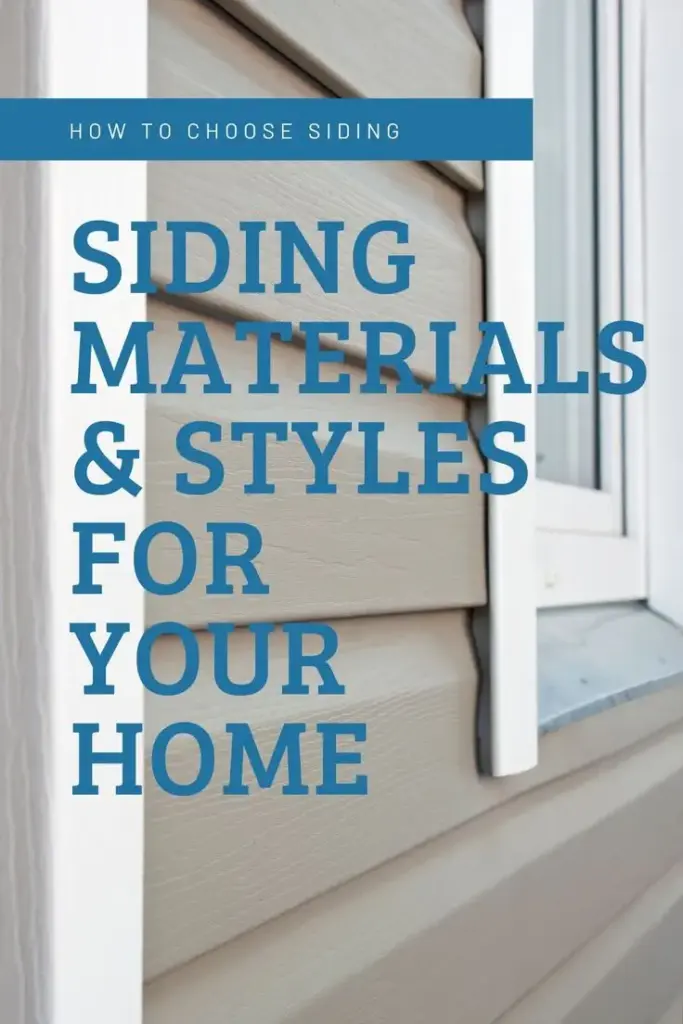
In 2026 the siding market is dominated by four main categories: vinyl, fiber‑cement (often branded as Hardie), metal (including aluminum) and engineered composites such as LP Smart. Each material offers a distinct blend of durability, aesthetic flexibility, and cost.
- Vinyl siding remains the most popular choice for budget‑conscious homeowners, thanks to its low upfront price and virtually maintenance‑free nature. According to the National Association of Home Builders (NAHB) 2026 Housing Outlook, vinyl accounts for 44 % of new home exterior installations in the United States.
- Fiber‑cement siding—exemplified by James Hardie’s Hardie Plank—delivers superior weather resistance and a realistic wood grain look without the rot risk. A recent ASHRAE 2025 study showed that homes with fiber‑cement cladding achieve up to 12 % better thermal performance compared with traditional wood.
- Metal siding (steel or aluminum) offers unparalleled longevity and a sleek, modern aesthetic. Its reflective surface can lower cooling loads, a benefit highlighted in the U.S. Department of Energy’s 2025 Energy Saver Guide.
- Engineered composites like LP Smart combine a polymer core with a fiber‑reinforced skin, providing high impact resistance and easy installation.
When selecting, consider the climate zone, the architectural style of your home, and any homeowner association (HOA) guidelines. For instance, coastal regions benefit from aluminum’s corrosion resistance, while colder climates may favor the thermal mass of fiber‑cement.
Cost Considerations and Budget Planning
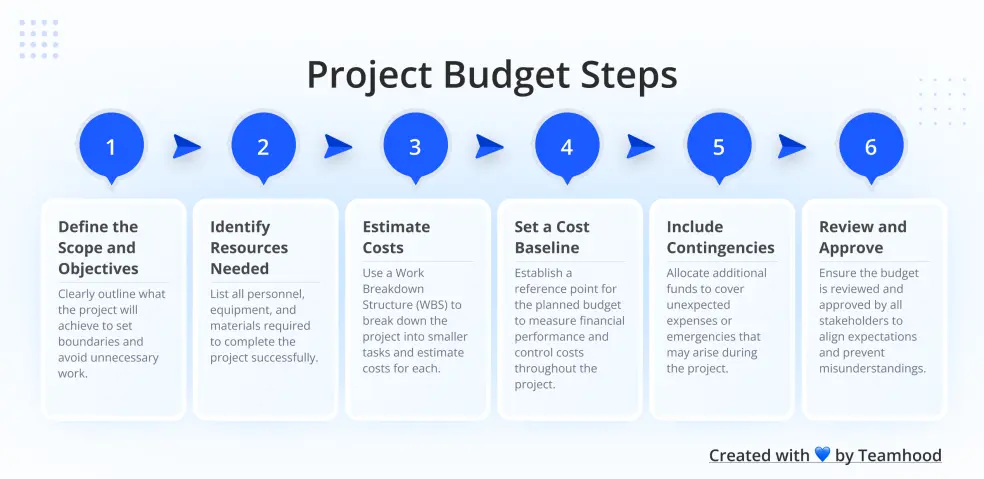
Understanding the true cost of home siding goes beyond the material price tag. Installation labor, removal of old cladding, and necessary preparatory work (e.g., moisture barrier installation) can add 30–45 % to the total expense.
Based on the 2026 Remodeling Magazine Cost vs. Value Report, average national costs are:
- Vinyl siding: $4,800 – $7,200
- Fiber‑cement (Hardie): $7,500 – $10,500
- Metal siding: $9,000 – $13,000
- LP Smart composite: $8,200 – $11,300
Financing options such as home equity lines of credit (HELOC) or manufacturer rebates can ease cash flow. For a detailed breakdown of vinyl siding expenses, see our Vinyl Siding 2026 Guide, which also explains how to calculate ROI based on energy savings.
Installation Process: What Homeowners Should Expect
Proper installation is the linchpin of siding performance. While DIY projects are tempting, most experts recommend hiring certified installers who follow the manufacturer’s specifications.
Step 1: Inspection and Preparation
A thorough inspection of the sheathing, insulation, and flashing ensures that moisture‑intrusion points are addressed. The installer will often apply a weather‑resistive barrier (WRB) that meets ASTM D226 for vapor permeability.
Step 2: Removing Old Siding
In many cases, the existing siding must be stripped to expose the underlying structure. This step generates debris that should be recycled whenever possible to meet the EPA’s 2025 construction waste reduction targets.
Step 3: Installing New Siding
Materials differ in fastening methods:
- Vinyl panels are typically nailed with a hidden nail cap system that allows for thermal expansion.
- Fiber‑cement requires corrosion‑resistant screws placed at 16‑inch intervals to prevent warping.
- Metal panels are either snap‑fitted or screwed, with a recommended 1‑inch overlap for optimal water shedding. For an in‑depth look at metal siding installation, refer to our Metal Siding 2026 Complete Guide.
Step 4: Finishing Touches
Trim pieces around windows, doors, and rooflines are installed last to create a seamless appearance. Proper caulking and sealing are essential to maintain the building envelope’s integrity.
Maintenance and Longevity
Even the most durable siding benefits from regular upkeep. The following schedule aligns with industry best practices as of 2026:
- Annual inspection: Look for cracks, loose panels, or water stains.
- Bi‑annual cleaning: Use low‑pressure water and a mild detergent to remove dirt and mildew.
- Every 5‑7 years: Re‑seal joints and replace any damaged trim.
Fiber‑cement and metal siding typically outlast vinyl by 20‑30 years, but they may require repainting—especially in sun‑intense regions. For a comprehensive maintenance checklist, see our Hardie Plank Siding 2026 Complete Guide, which also discusses the benefits of low‑maintenance paint systems.
Environmental Impact and Energy Efficiency
Modern homeowners increasingly prioritize sustainability. Siding choices affect both the embodied carbon of the material and the operational energy use of the house.
- Recycled content: Vinyl and aluminum contain up to 30 % post‑consumer recycled material, reducing raw‑material extraction.
- Thermal performance: Insulated vinyl and fiber‑cement panels can increase R‑value by 0.5–1.0 per inch, cutting heating bills by an average of 8 % according to the DOE 2025 Home Energy Report.
- End‑of‑life: Metal siding is 100 % recyclable, while fiber‑cement can be crushed for use in road base material, aligning with circular‑economy goals.
Choosing a siding with a high ENERGY STAR rating not only lowers utility costs but may also qualify homeowners for federal tax credits, as detailed in the IRS 2026 Energy Incentives Publication.
Common Mistakes to Avoid
Even seasoned renovators can stumble. Here are the pitfalls that most DIYers encounter:
- Skipping the WRB: Omitting a proper weather‑resistive barrier invites moisture buildup, leading to mold and rot.
- Improper expansion gaps: Vinyl and metal expand with temperature changes; insufficient spacing can cause buckling.
- Using the wrong fasteners: Galvanized nails on aluminum or regular steel screws on fiber‑cement can corrode quickly.
- Neglecting flashing: Flashing around windows and doors is essential for water diversion; mistakes here are a leading cause of leaks.
Frequently Asked Questions
Which siding material offers the best value for money?
Value depends on climate and long‑term goals. Vinyl provides the lowest upfront cost, while fiber‑cement and metal deliver higher durability and lower lifecycle expenses.
Can I install siding over existing wood clapboard?
Yes, provided the existing wood is in good condition, flat, and properly insulated. Adding a WRB and furring strips can create a level substrate for new panels.
How does siding affect my home’s resale value?
A well‑maintained exterior can boost resale value by 5–7 %, according to the Realtor.com 2025 Home Value Trends. Modern, neutral colors and clean lines tend to have the broadest appeal.
Is it worth investing in insulated siding?
Insulated siding adds a thin layer of rigid foam, increasing the wall’s R‑value without sacrificing interior space. For homes in colder zones, the payback period is typically 7–10 years through reduced heating costs.
What warranty should I expect?
Manufacturers commonly offer 25‑year limited warranties for vinyl, 30‑year for fiber‑cement, and up to 40‑year for metal. Always read the fine print to understand coverage for color fading versus structural failure.
Future Trends Shaping Home Siding in 2026 and Beyond
The siding industry is evolving with three notable trends:
- Smart Siding Integration: Sensors embedded in panels can monitor temperature, moisture, and even structural stress, sending alerts to a homeowner’s smartphone.
- Bio‑Based Materials: Companies are testing hemp‑fiber composites that promise comparable durability with a significantly lower carbon footprint.
- Customizable Finishes: Advances in digital printing enable hyper‑realistic textures and colors, allowing homeowners to mimic stone, brick, or reclaimed wood without the weight.
Staying informed about these innovations ensures that today’s investment remains relevant tomorrow.
By carefully assessing material options, budgeting realistically, and partnering with qualified installers, homeowners can transform their property’s exterior into a resilient, energy‑smart, and visually striking asset that stands the test of time.